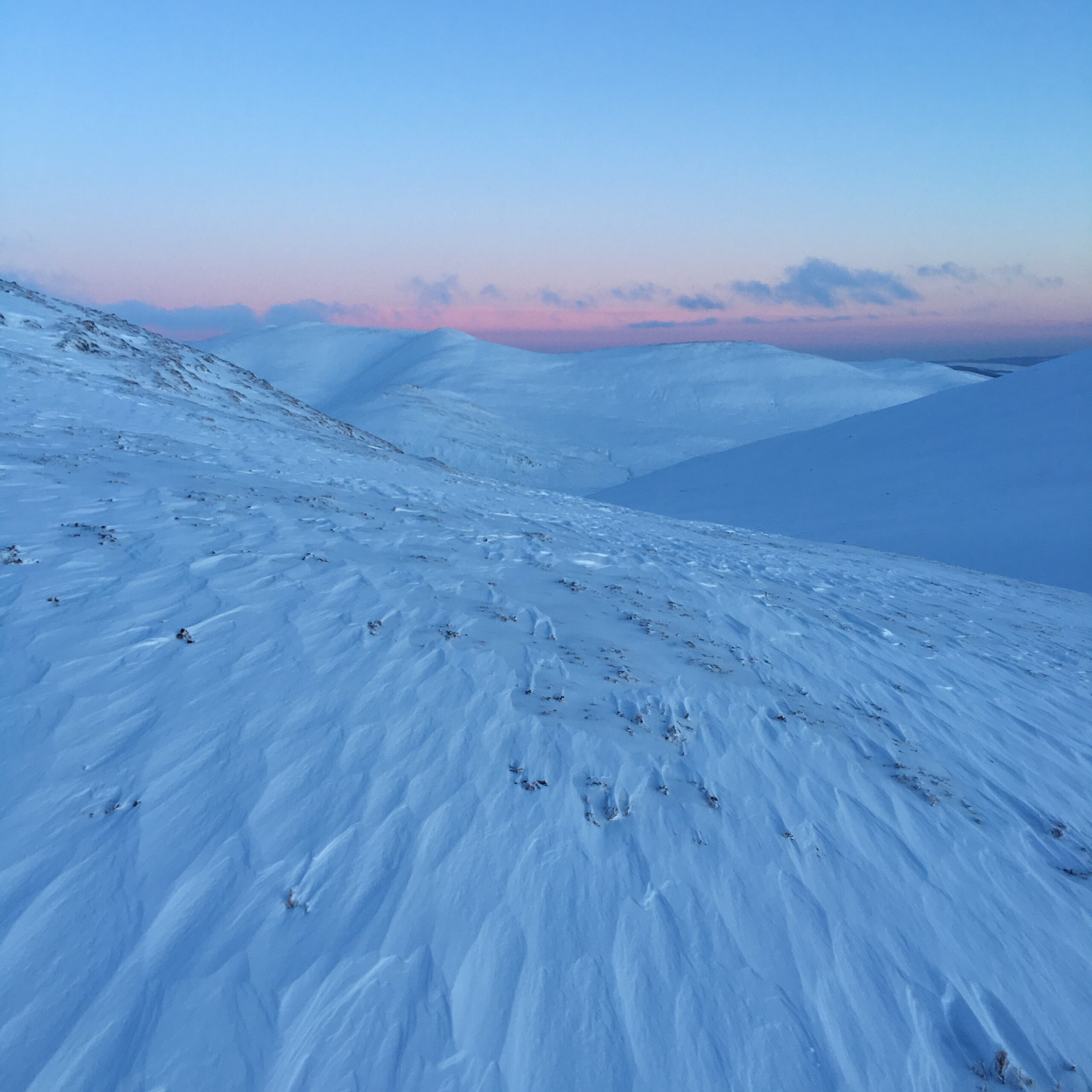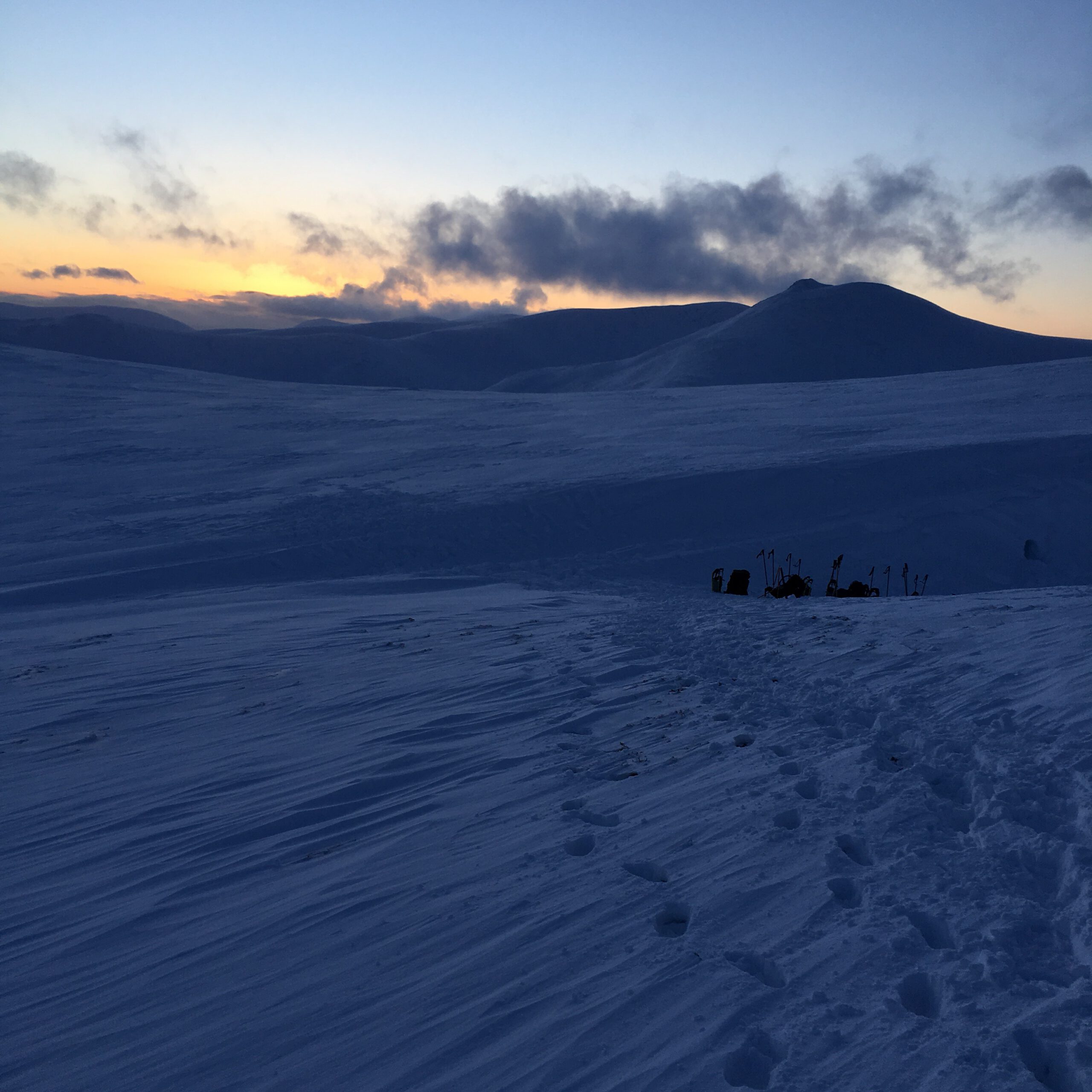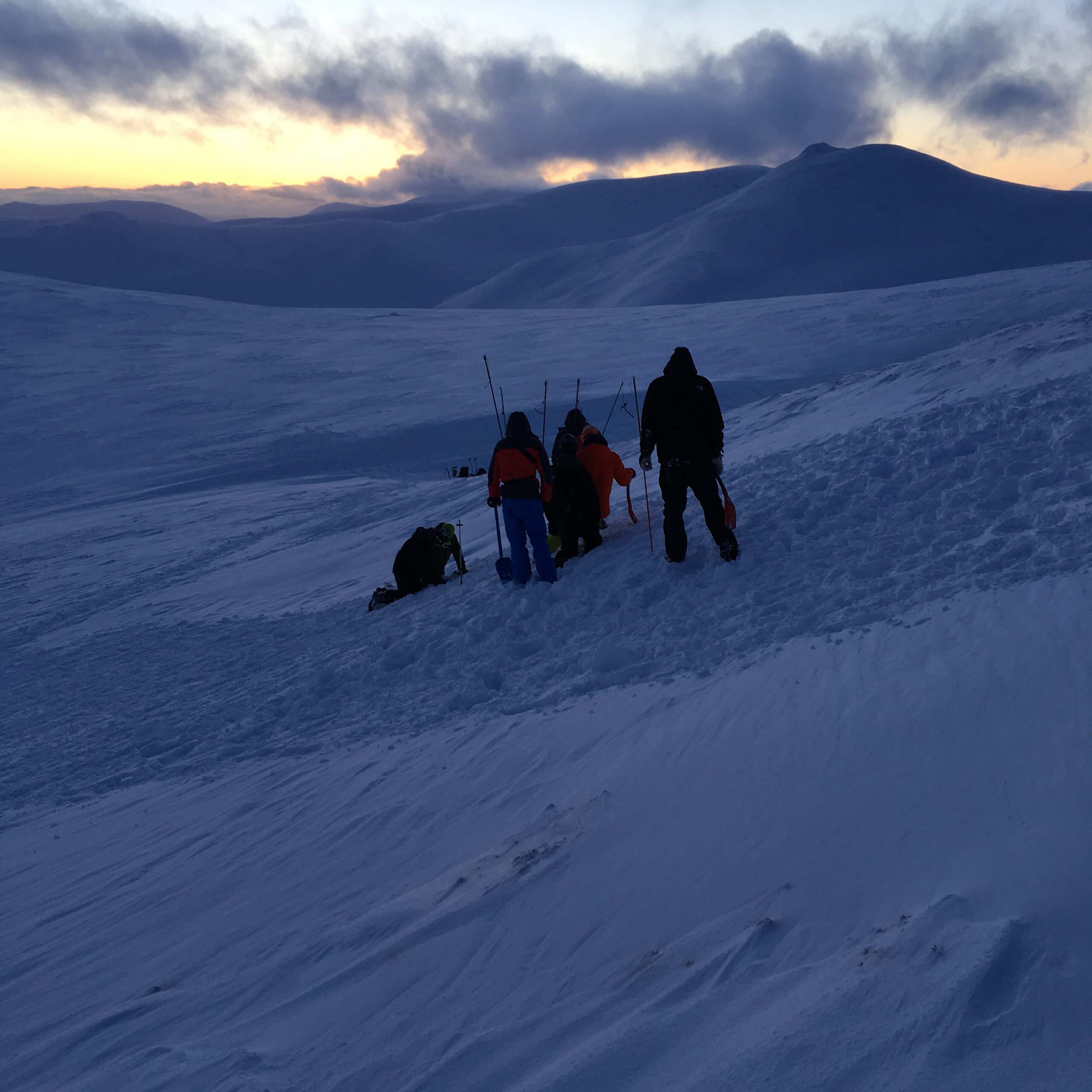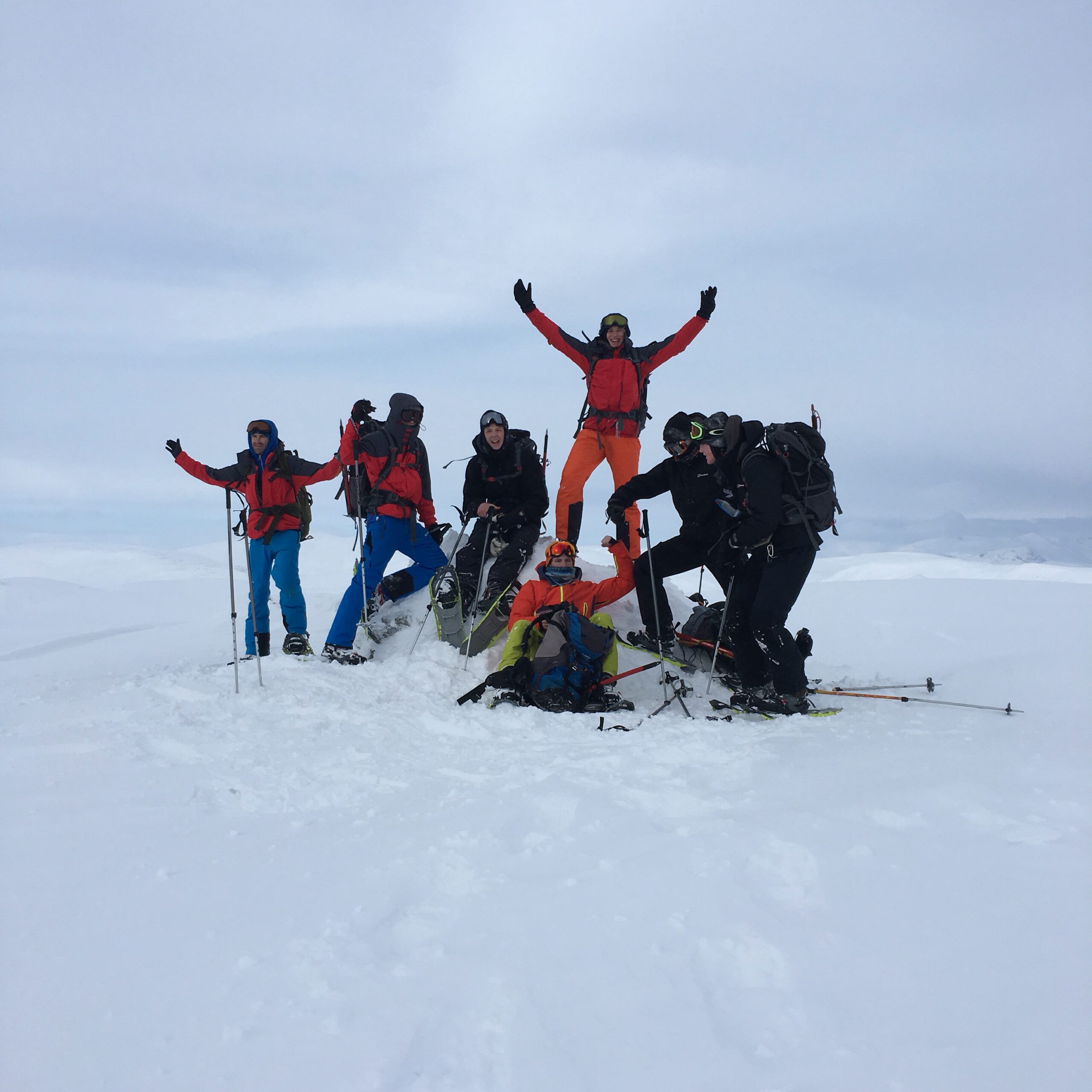
This February, six 17-year-olds from Shrewsbury School became Duke of Edinburgh’s Award pioneers, undertaking the first-ever snowshoe expedition. Normally, expeditions happen between March and October, avoiding the winter. Our expedition, however, after a great deal of planning and preparation, took place high in the snowy Cairngorm mountains in February. Here is an account of the expedition, together with lots of photos of the amazing winter landscapes they experienced.
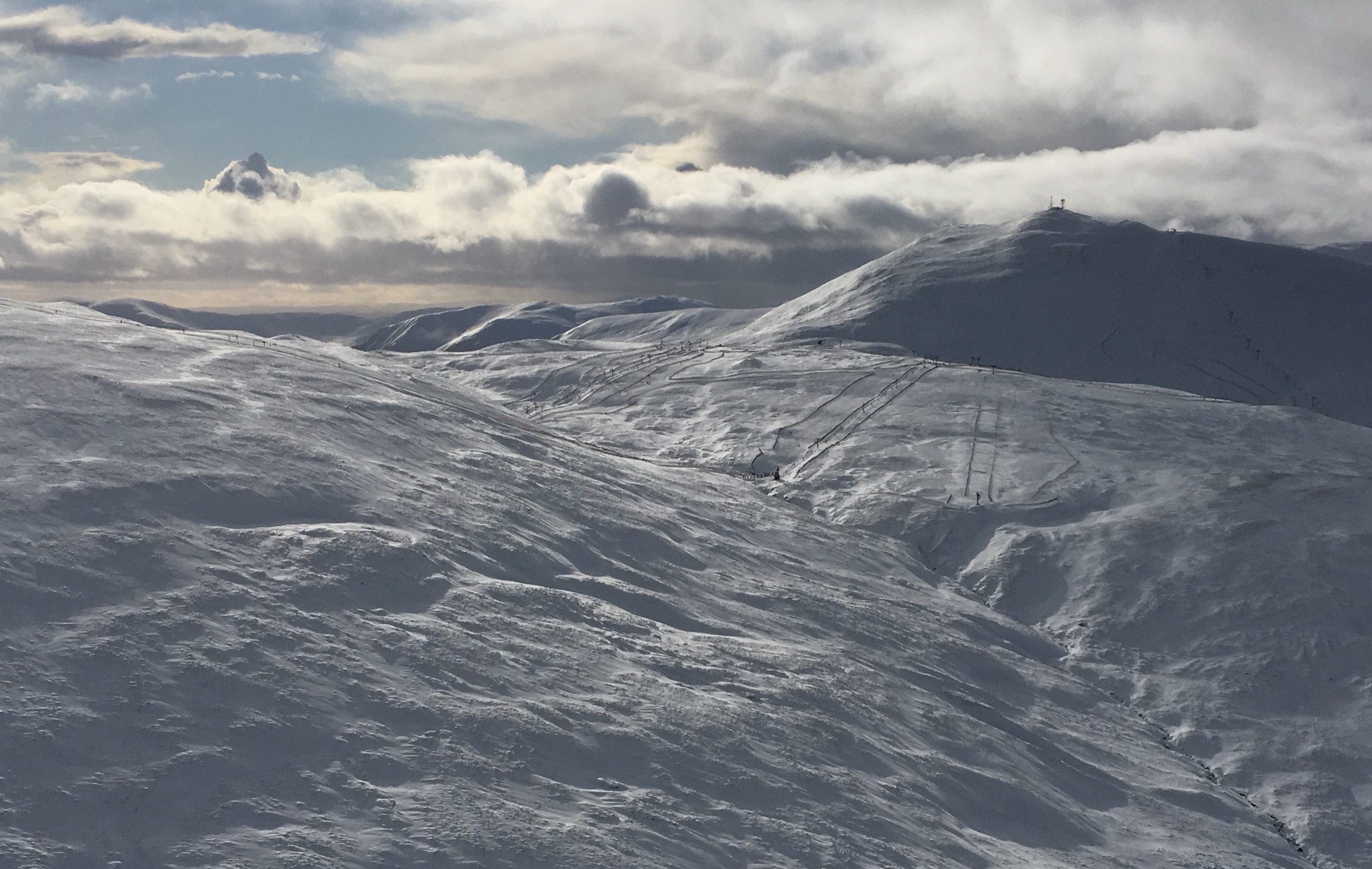


Running an expedition in winter took a great deal of planning, taking into consideration a whole bunch of additional factors. Things like:
- Different equipment like snowshoes, winter boots, crampons, ice axe, avalanche transceivers, shovels, and probes;
- Winter weather and avalanche risk; and,
- Lots of training and learning new skills: everything from melting snow to make water, to building snow shelters, and pacing to gauge distance travelled.
We used Braemar Youth hostel as our base for the expedition. Braemar is a small village in the middle of the Cairngorms. It is the coldest place in the UK with a record low temperature of -30 °C. Thankfully, it wasn’t that cold, but it was chilly nonetheless. Over the course of the four days out in the mountains, the temperature was about -6C with a wind chill of about -15C. We had a mixture of clear sunny days, blustery spindrift conditions, heavy snow showers, and whiteout conditions where your visibility is limited to 25m or less. Fortunately, the snow conditions were perfect for snowshoeing. There was a lot of fresh snow at all levels, making snowshoes the ideal choice for walking about.
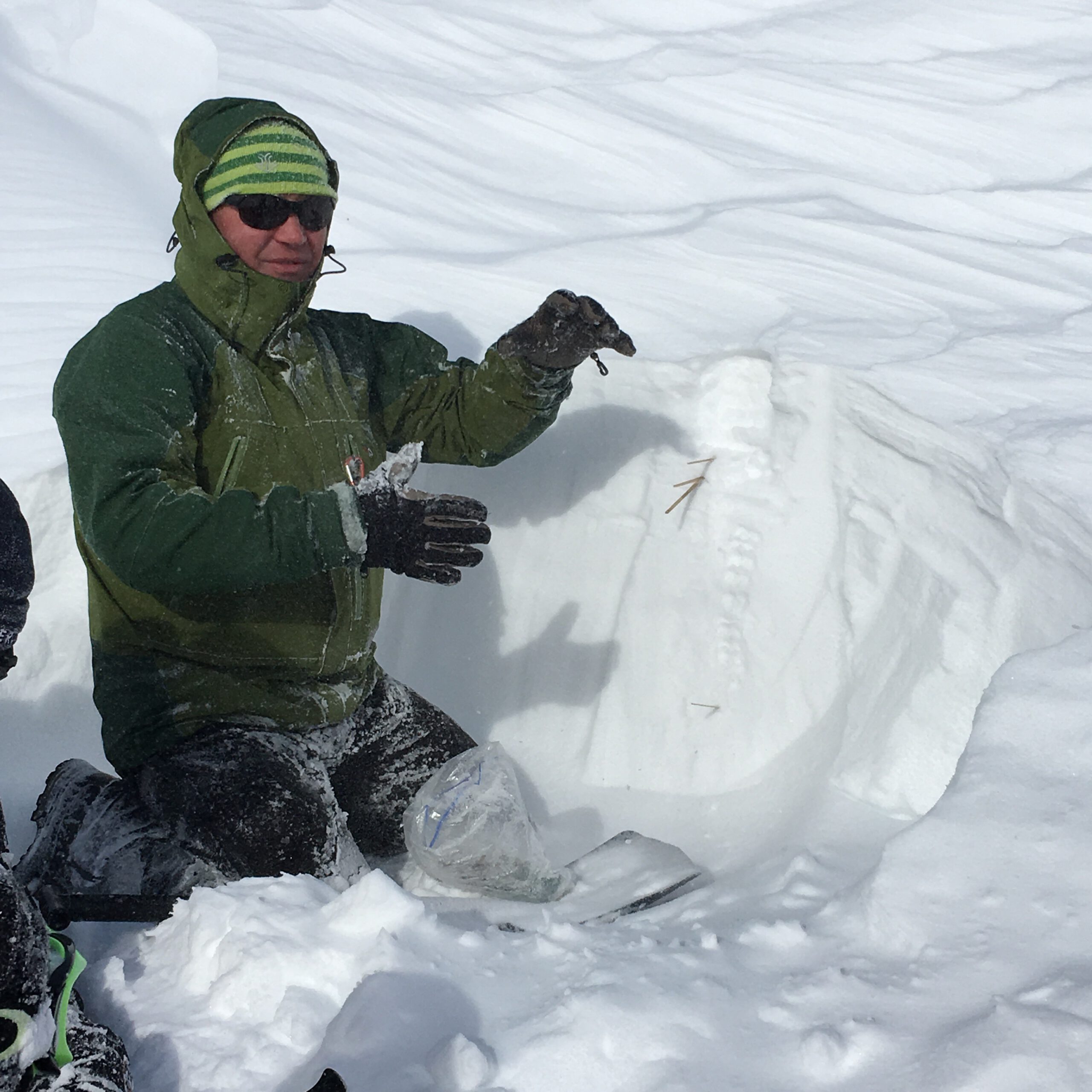

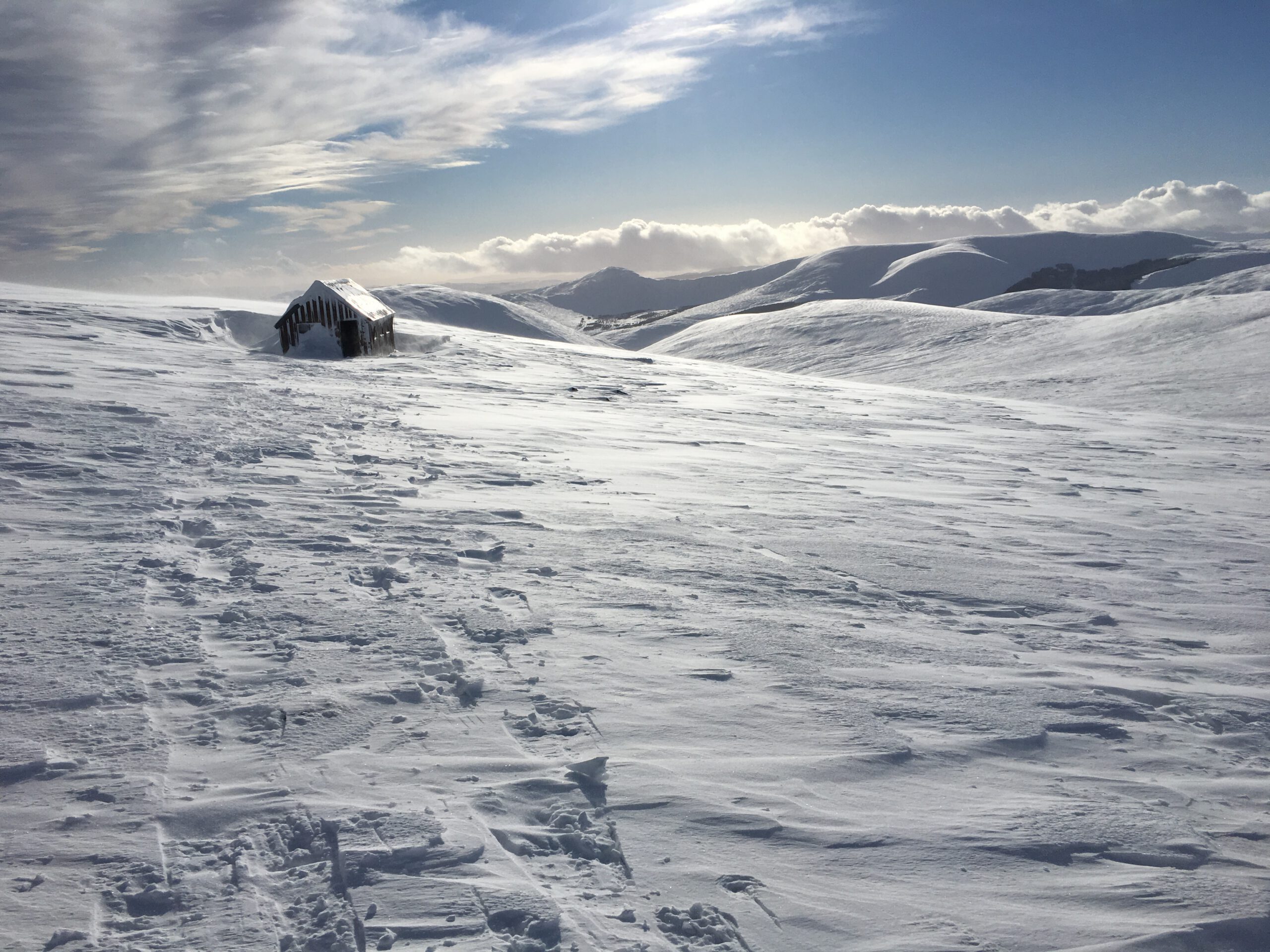
Accompanying the participants were two staff members from Shrewsbury School. Jon Foden and I (Mountaineering Instructor and International Mountain Leader) provided the supervision and training.
The structure of the expedition programme involved a travel day to Braemar, a training day in the mountains, followed by a three-day practice expedition.
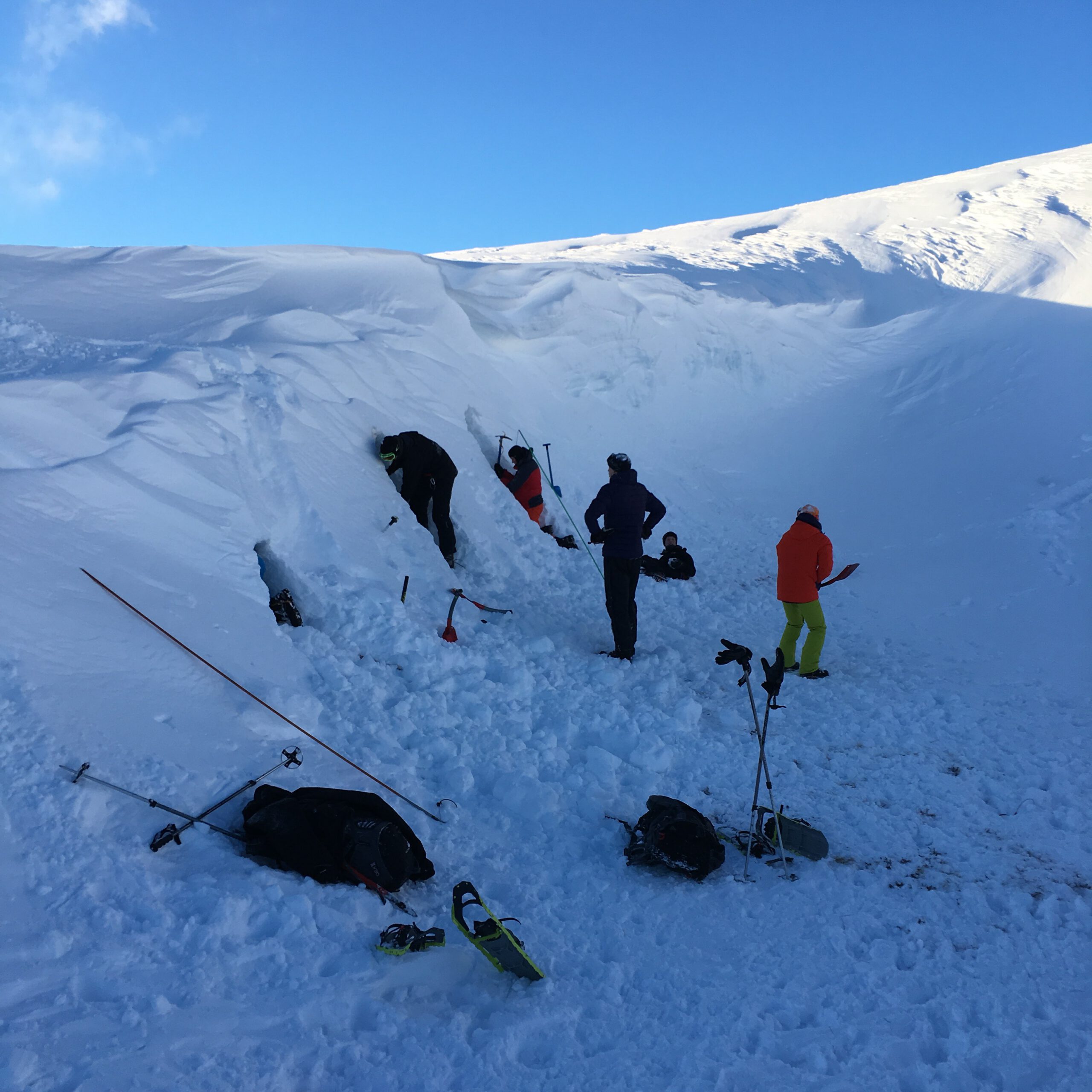


The participants did very well. They were full of enthusiasm, worked as a team, and did a great job in learning all the new winter skills. On the last day of the practice expedition, they applied all that they had learnt and planned a route back to the road, navigating using compass bearings, pacing to gauge distance, managing hazards like snow-covered streams and strong wind,s and looking after each other – all with a sense of fun and adventure.
The next step for the participants is to plan their qualifying expedition, due to take place in February 2019 in the French Pyrenees.