
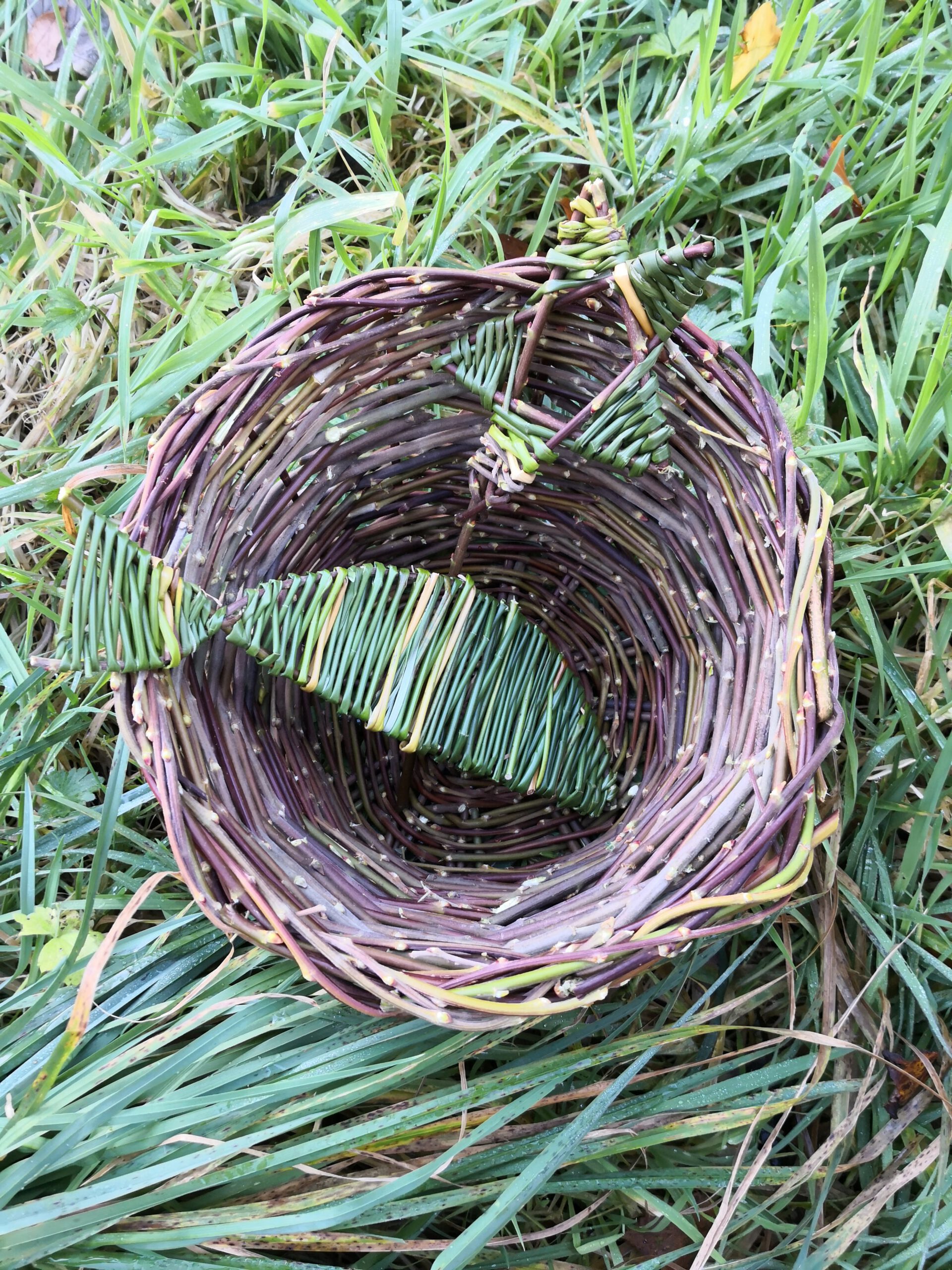


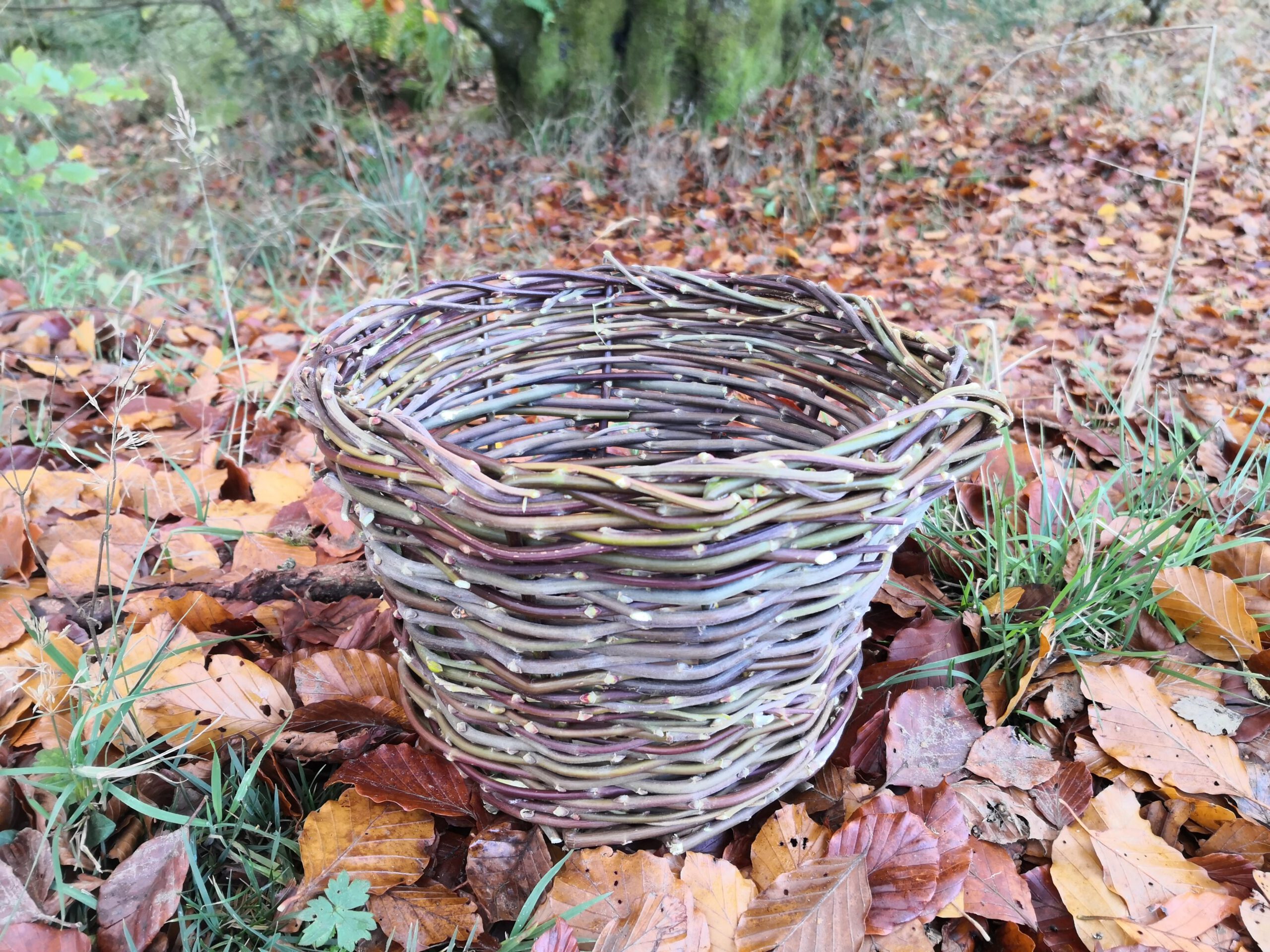
Last week, on a bright November day, I headed off to Mugdock Country Park, north of Glasgow, to practice making things with natural materials. On almost every visit to the outdoors, I’ll end up making something. I’m always on the look out for different materials that I can bend and twist and weave and shape. Slowly and steadily my knowledge of weaving techniques and my familiarity with the properties of willow, bramble, nettle, elder, soft rushes, and many more species of plant has developed, enabling me to start being quite creative. I set out with the aim of making a bunch of things: a basket, using three rode wale and french randing; a whistle from elder; and a dragonfly, fish, star and flower from willow and soft rushes.
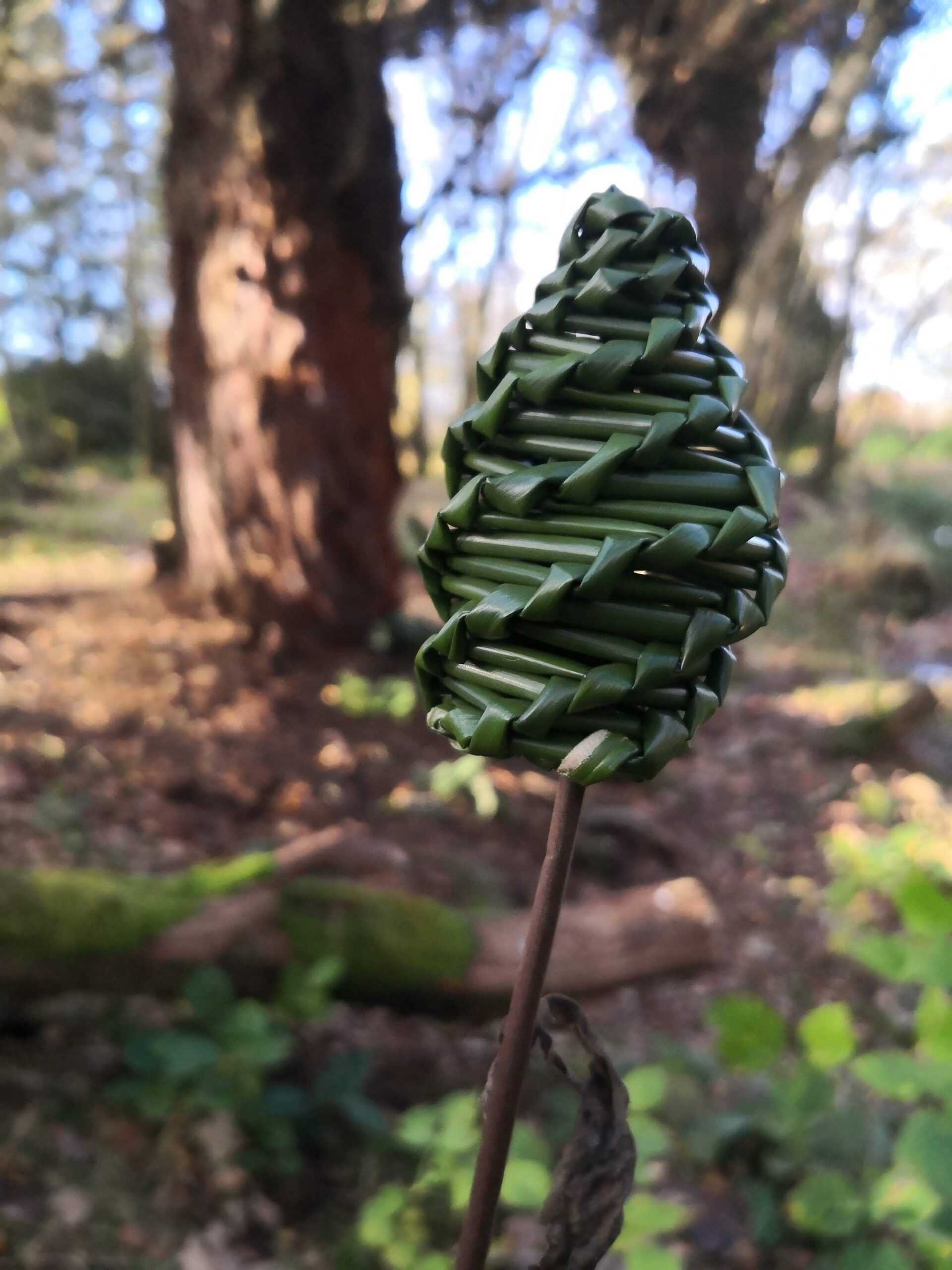
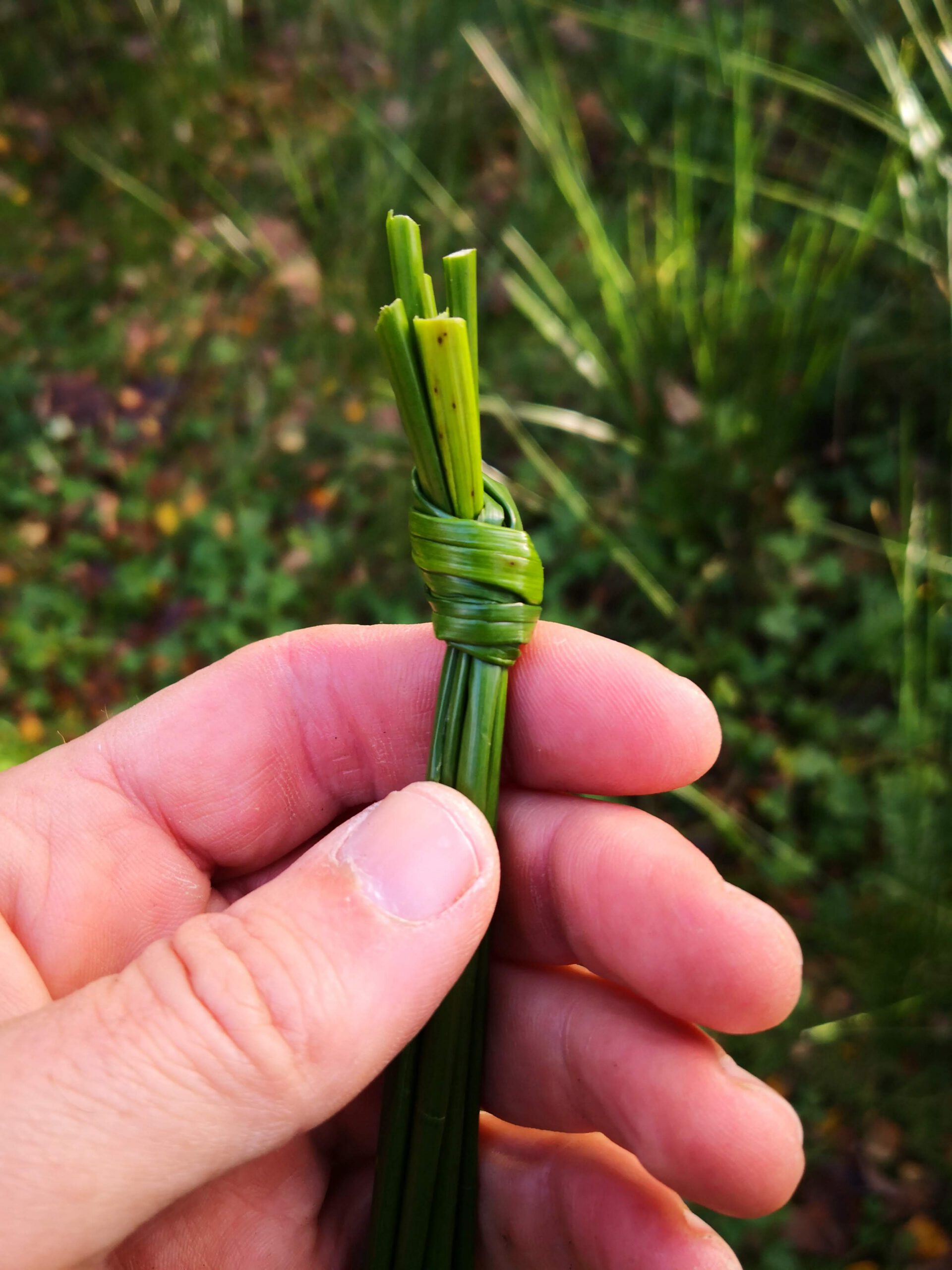
Spiral Flower with Soft Rushes
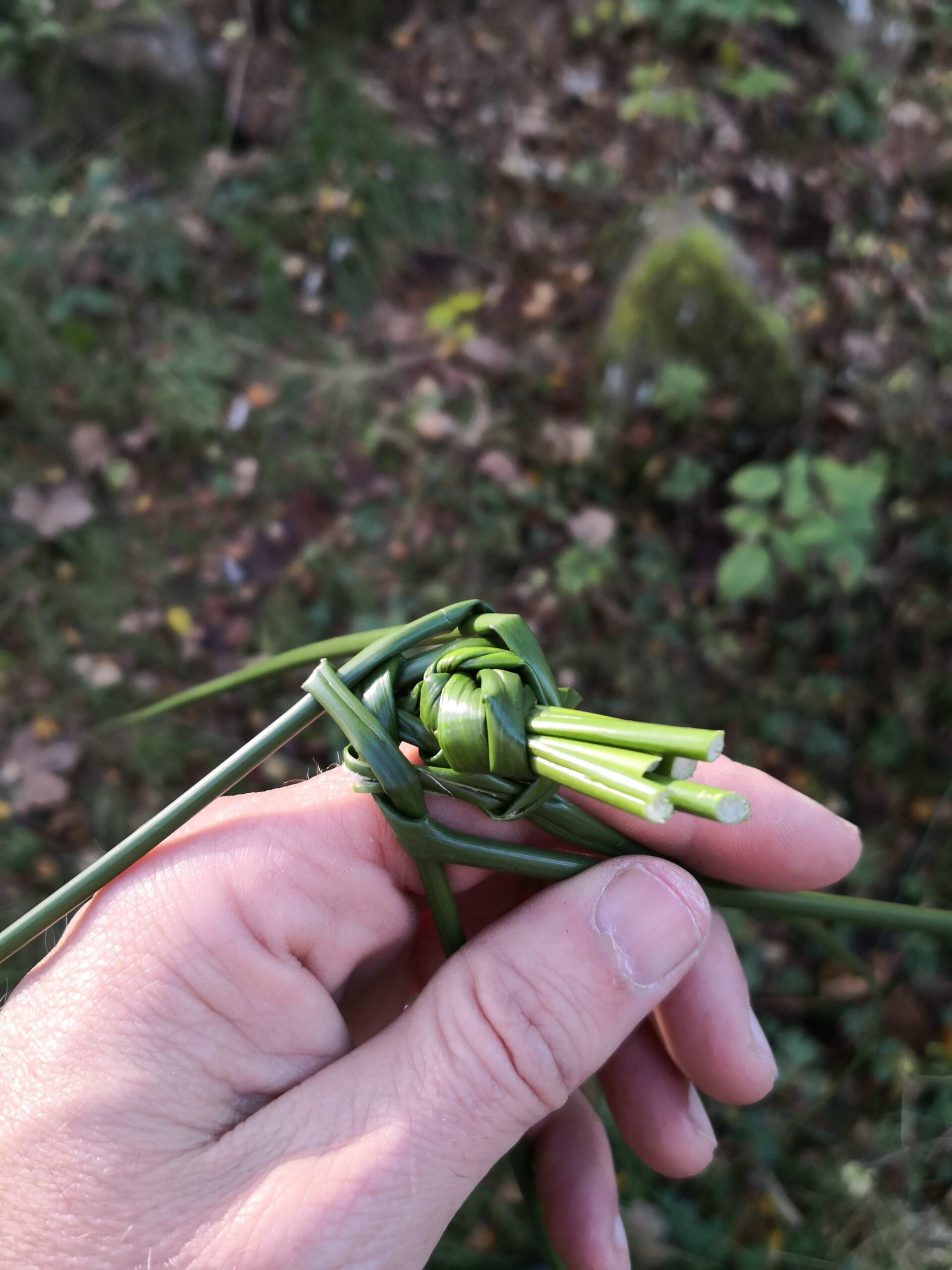
Amongst the most readily available natural materials for crafting is soft rushes Juncus effusus. They are abundant in Scotland, present where ever the ground is boggy; in moorland, forest and farmland. My first project was to make a flower. To make these you need six stems of soft rushes. Tie a knot in the end of the bundle of rushes, then bend a stem over an adjacent stem, locking it into position. Continue bending and folding the stems, going round and round forming a pretty spiral fold pattern. Making small adjustments to the positing of the fold enables the flower to broaden or narrow in shape. Finish by tucking the last stem under, snipping off the excess lengths and then place the ‘flower’ onto a tall stalk of grass, nettle or stick.



Whistle with Elder
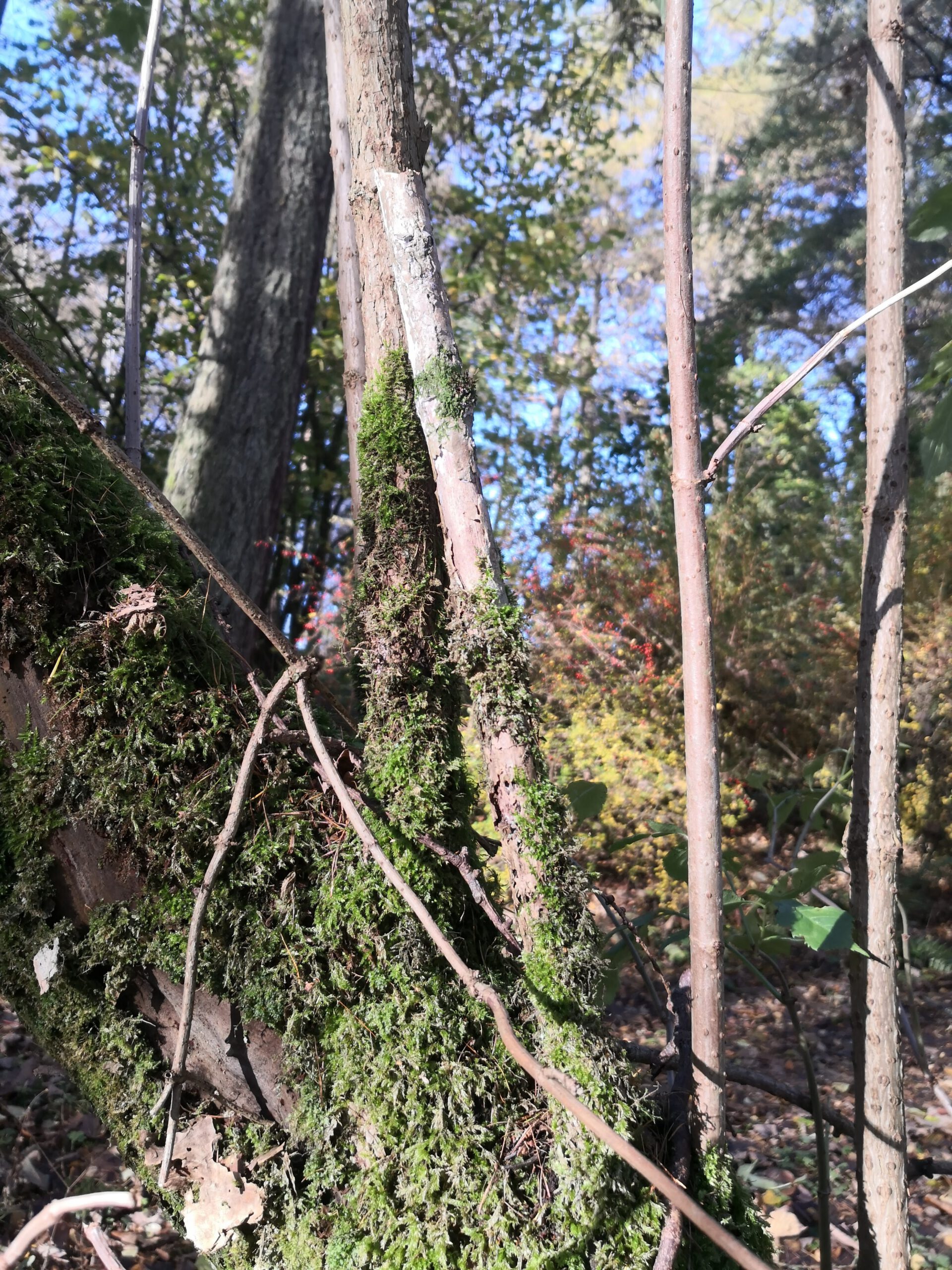
Next up was an Elder Whistle. The branches of an elder tree, Sambucus nigra, grow long and straight and have a soft pithy core that can easily be poked out with a stick to form a tube. The flower heads of elder are used in infusions to make a cordial, and the berries, although poisonous in their raw state, can be made into a jam. An interesting fungus found on elder is the jelly ear fungus.
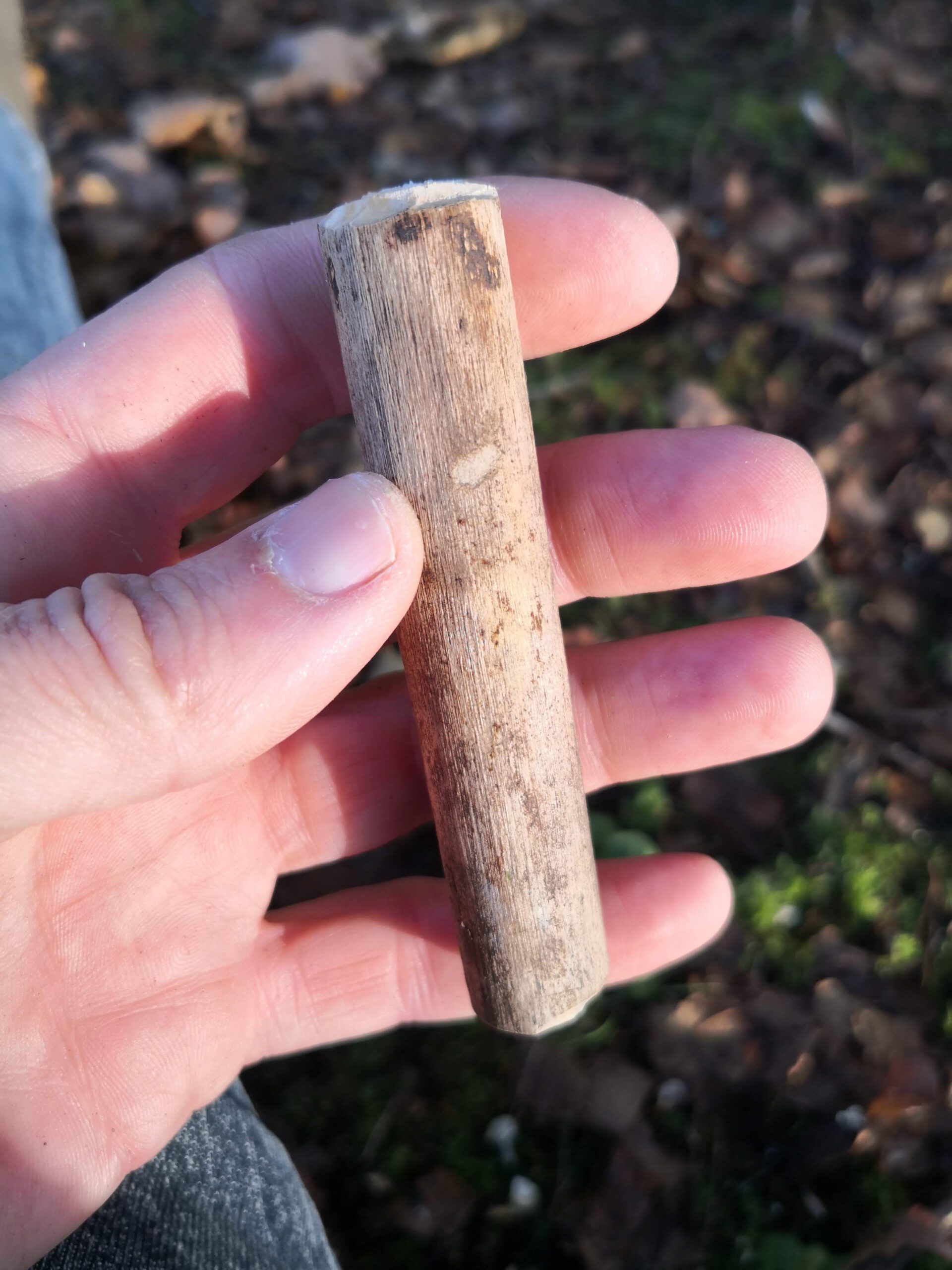
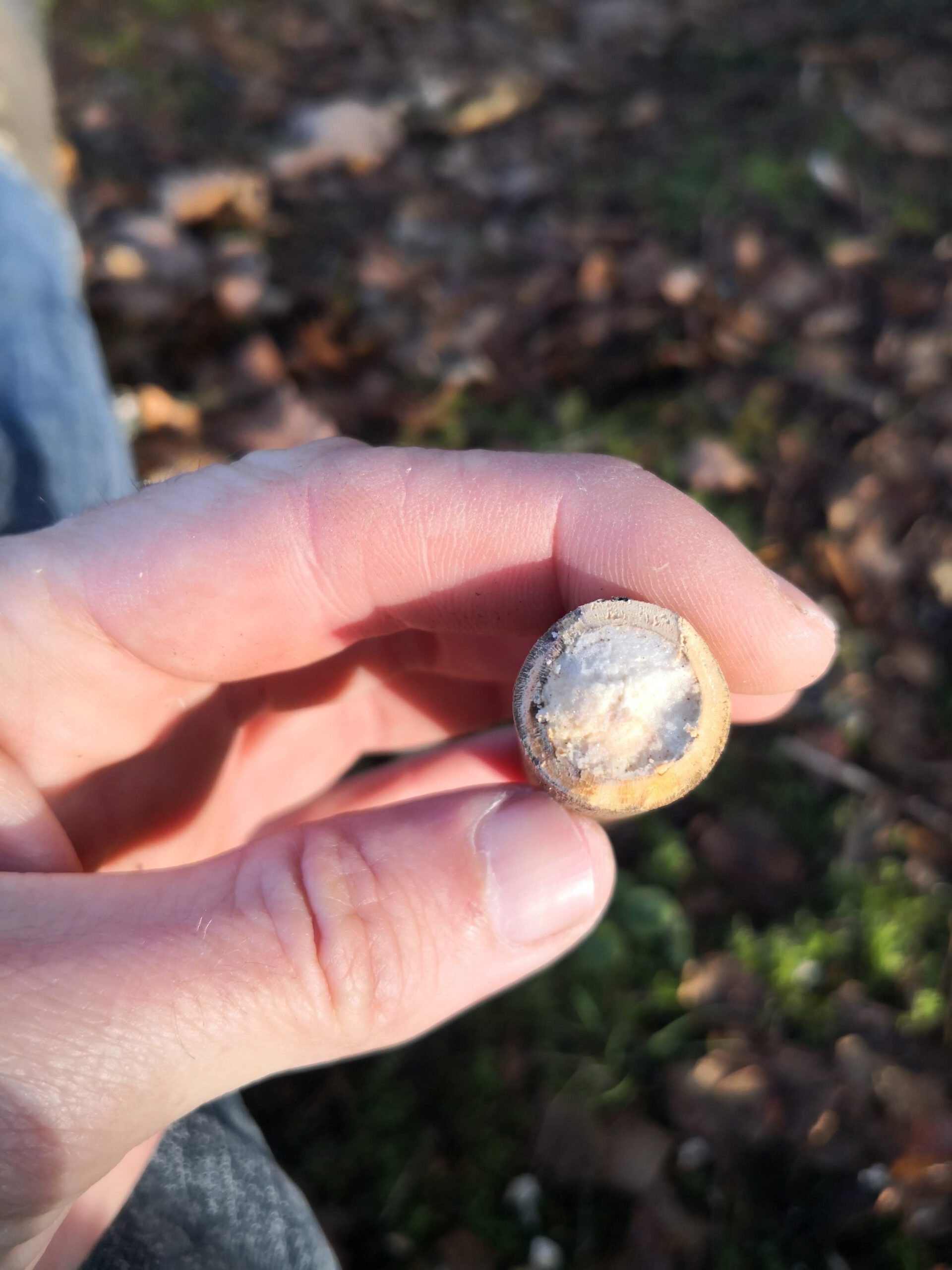
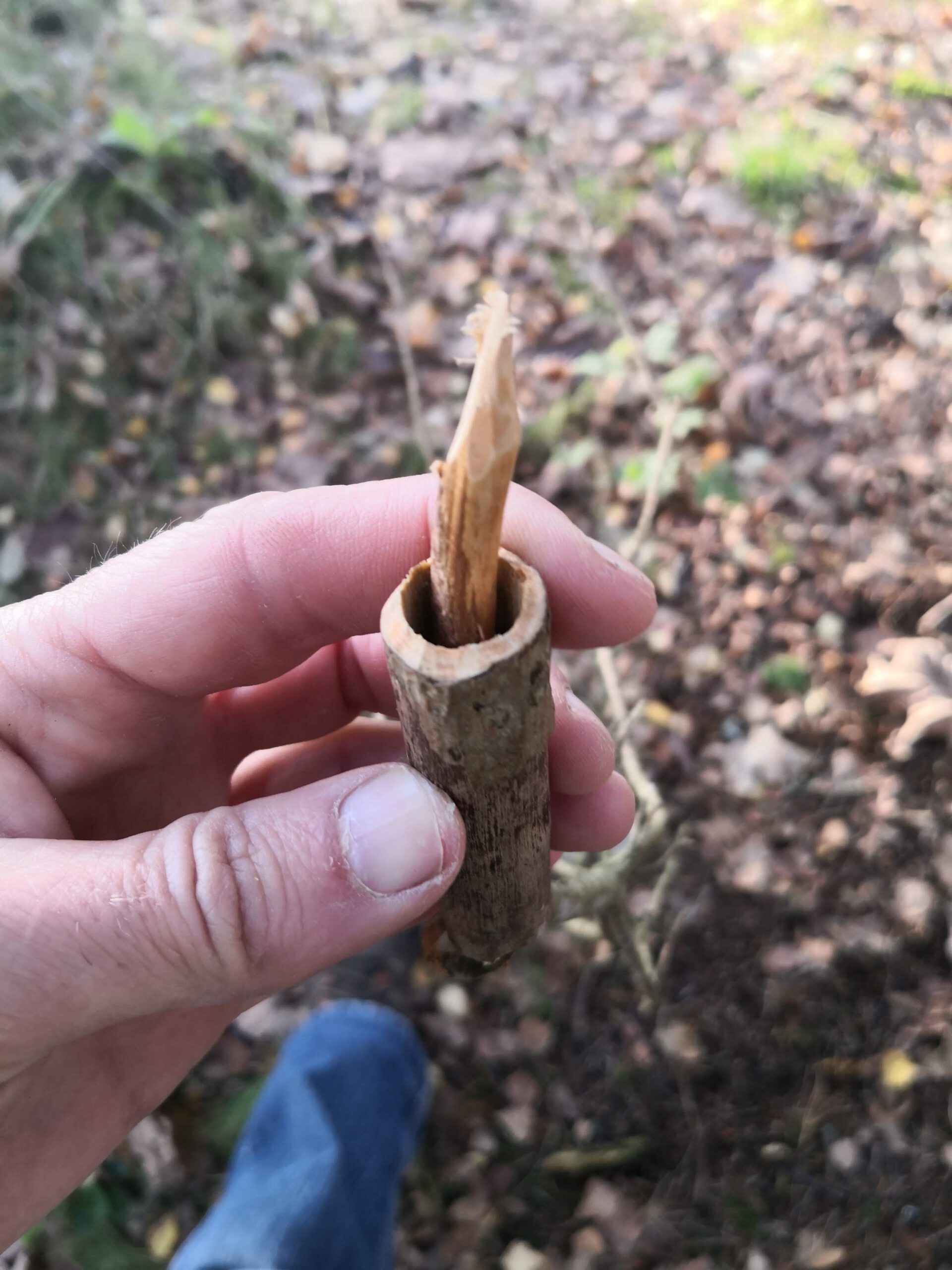
To make a whistle, look for some dead standing wood; a branch that is still attached to the tree, but is dead. A piece of dead standing wood will snap off quite easily. Next, use a knife to cut the branch to the desired length, perhaps 10cm, and then use a stick to poke out the pithy core. Next, find a stick (not elder, I used some Scots Pine) and whittle it down using a knife until it fits snugly into the end of the elder tube, with no gaps, making this end air-tight. Saw the end off to make it flush. Now repeat at the other end, but this time create a gap for air to flow through; this end will be mouth piece. Lastly, carefully cut out a slot (the fipple) that creates the whistle sound. This comprises a vertical cut down and a slanting, blade-like cut adjacent to it.




Basket with Willow
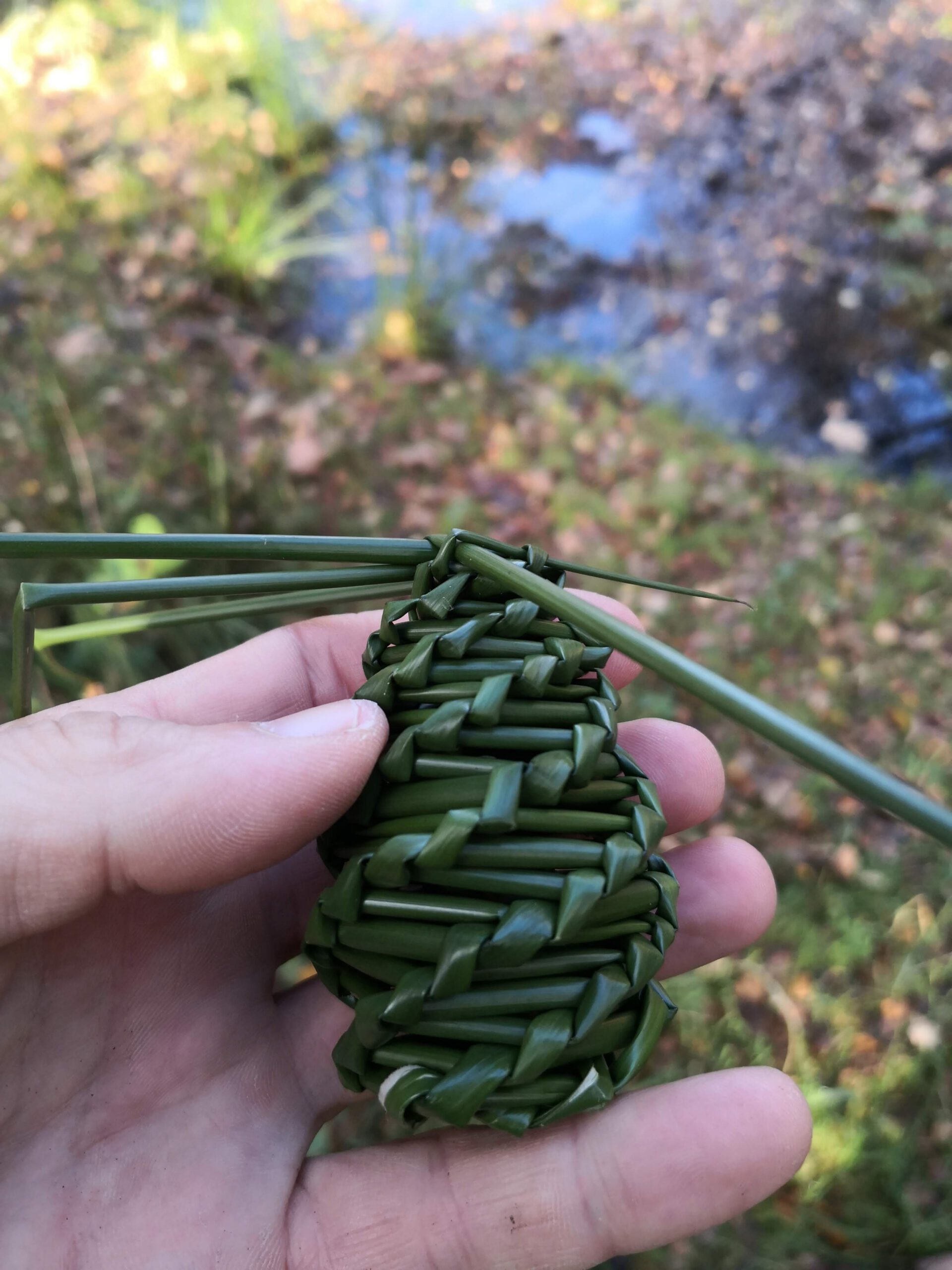
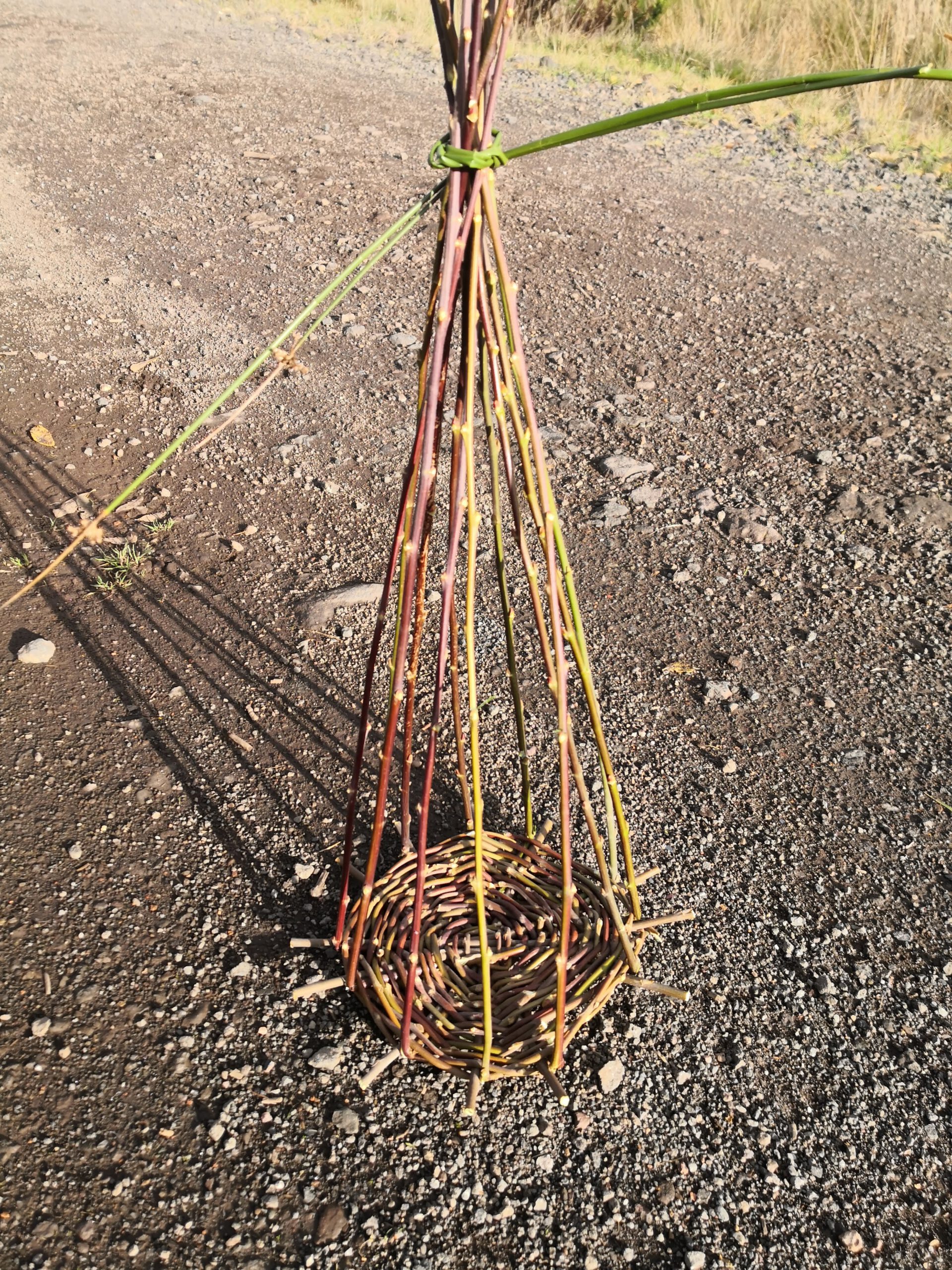
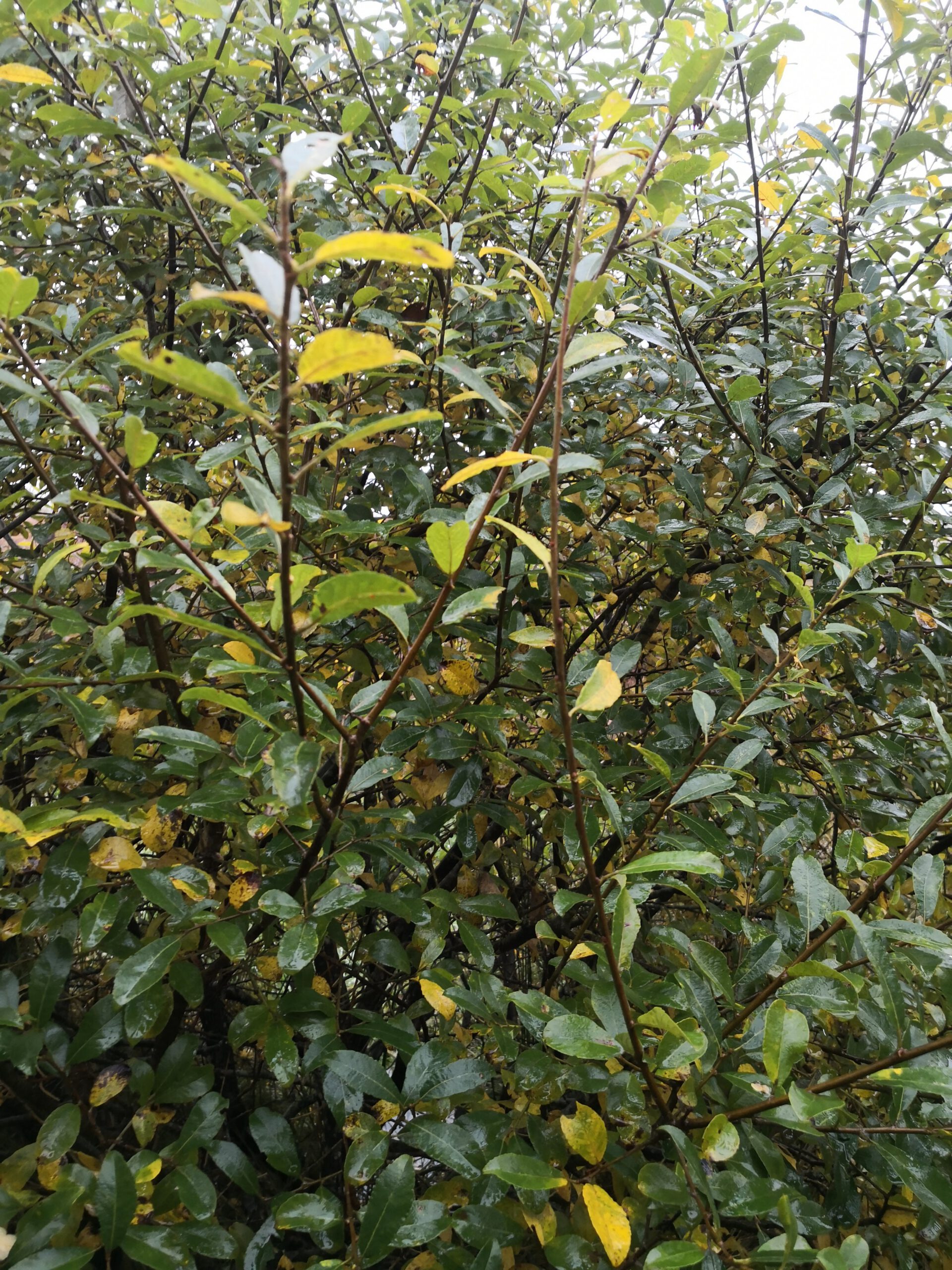
I wandered on out of the park and onto the Cuilt Brae path, and an area of forestry plantation where I knew there would be some good quality willow for weaving. When looking for green willow to weave with, long straight lengths of new growth willow, at least 1m long, are ideal. These tend to be found on younger, bushy-like willow trees. Over two hours, I patiently worked away on my basket, first using a weaving technique called pairing to form the base, then sticking 12 willow stems into the base and folding them upright to begin forming the wall of the basket. Next, I used a three-rode wale to fix the upright stems into position. To weave the walls of the basket, I used French randing and pairing, before finishing off with the border.


Dragonfly, Fish, and Star
With my basket finished, I headed back to the park, and on the way, as the light began to fade, I played around with some willow, bending it and shaping it into geometric shapes. Having formed a star shape, I began weaving soft rushes, over and under, to fill in the gaps. Next, I tried a fish shape, filling it in again with rushes. These would make nice Christmas tree decorations.
Next, using soft rushes and the same weaving technique I’d used for the spiral flower, I had a go at making a dragonfly. Pleased with my results, I headed home. The dragonfly, made entirely with green, freshly cut rushes, looks its best when it is first made, drying and losing its shape over time.
If you are interested in learning how to craft and weave objects like these, why not take part in one of our bushcraft courses? Open courses are available throughout the year. Alternatively, get in touch if you would like a bespoke course run for an individual or group on dates that suit you. I regularly run courses for teachers and youth workers, interested in expanding their knowledge of outdoor learning.


