
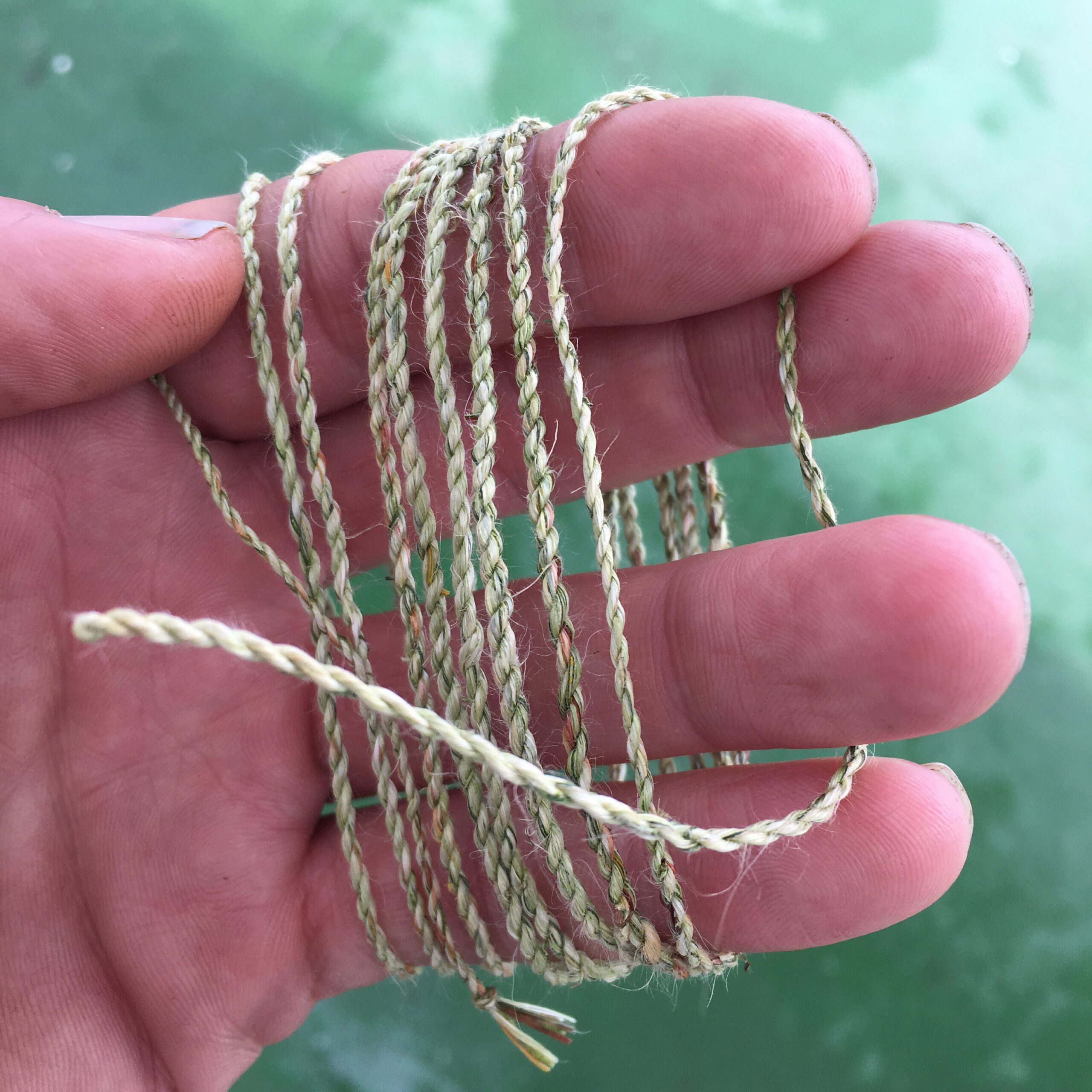
Flax Phormium tenax is a plant from New Zealand that is pretty common in gardens and public spaces in Scotland. I learnt about the plant from Simon and Carol West, on a recent walking tour to Orkney I was guiding.
The Maori name for flax is harakeke and is used for making baskets, clothing and cordage. The thread-like fibres in the leaves are long, very strong and make excellent cordage.
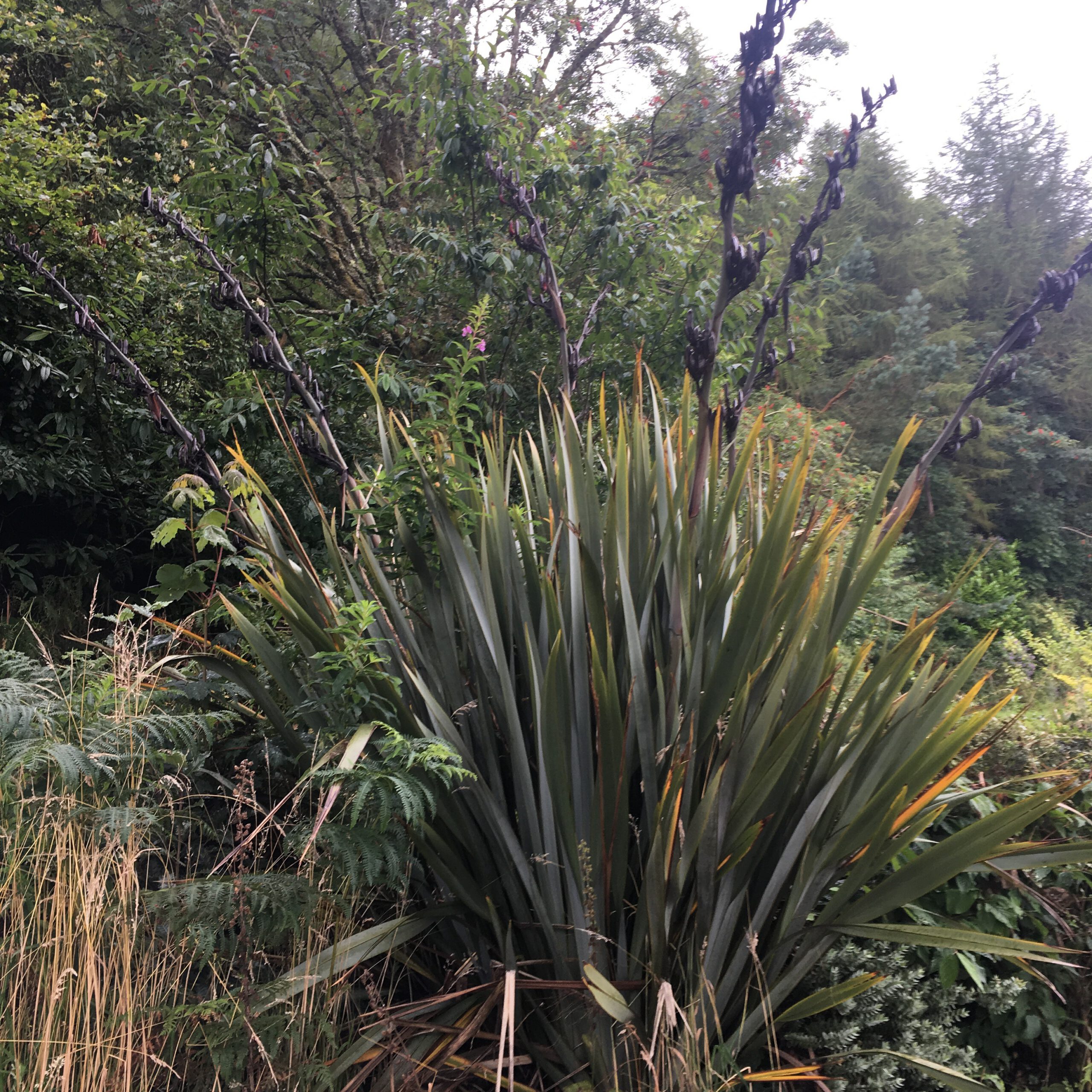
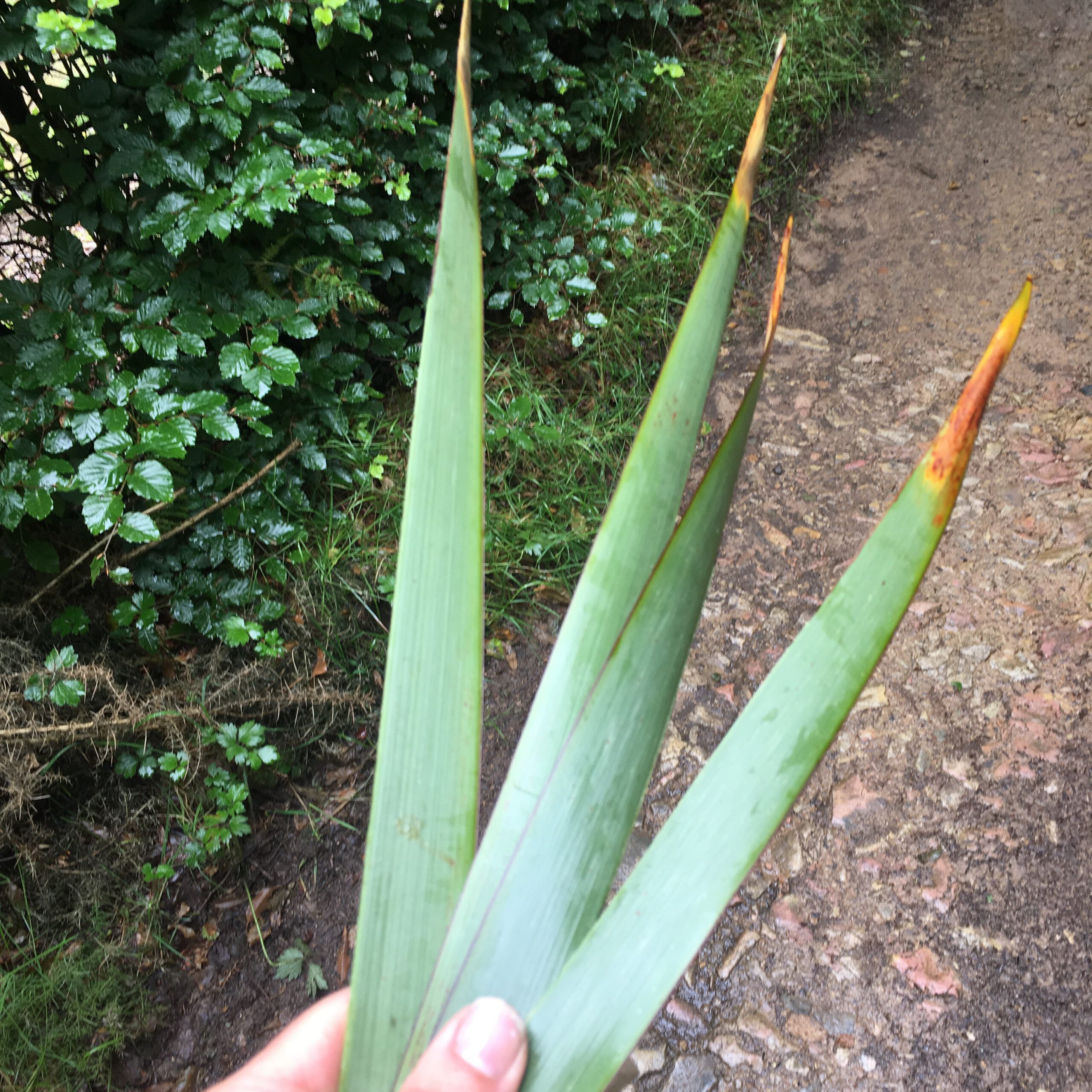
In traditional Maori culture, the leaves are harvested in a particular way to ensure the welfare of the plant. A prayer of thanks – karakia – is also sung, acknowledging the special value the plant has.
Te Harakeke, Te Korari
Nga taonga whakarere iho
O te Rangi. O te Whenua. O nga Tupuna.
Homai he oranga mo matou
Tihei mauri ora
It’s a remarkably tough plant, and its leaves can only be harvested with a knife. The next step of the process is to split the leaves lengthwise and then to scrape them, which is traditionally usually done with a mussel shell but I used my thumb nail.

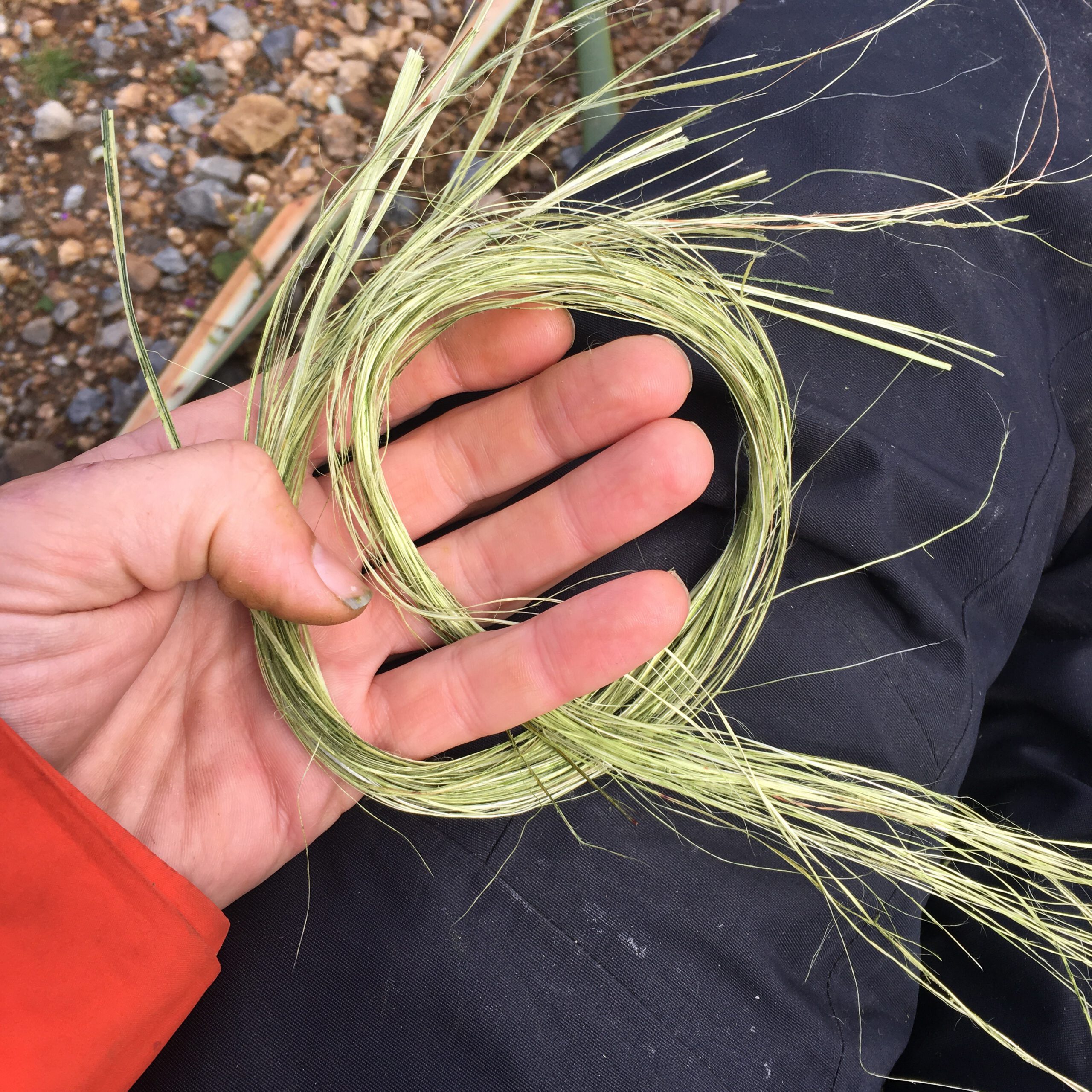
The next step is to weave the flax fibres into cordage, first making two-ply cordage (see the technique in the video below).
I made about 2m of two-ply cordage, then repeated the process to make 1m of four-ply cordage. The finished cordage is even and very strong.
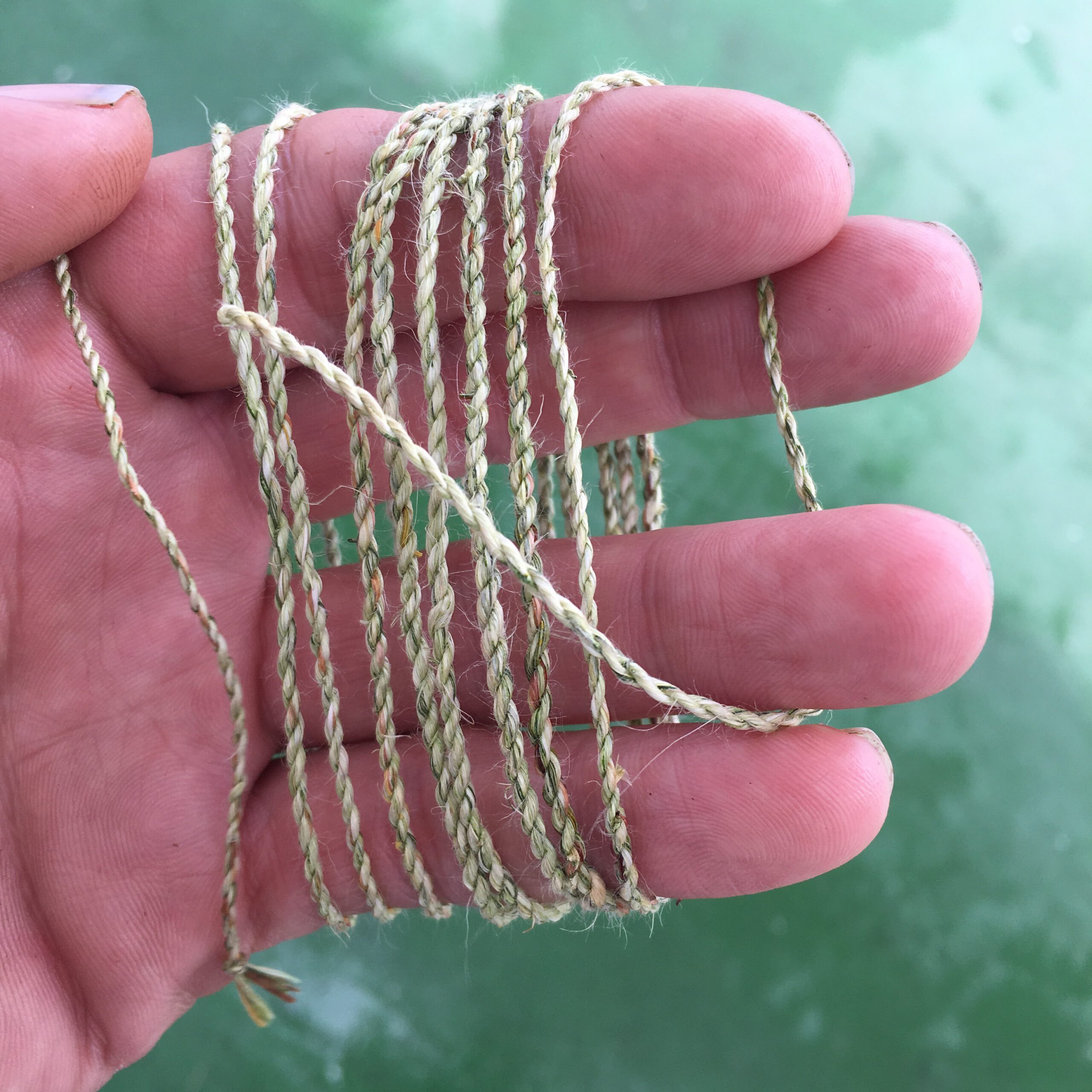

My plan is to use it in a bow to make Friction Fire. I have tried many natural fibres – like nettle, willow, marram grass – for the cord for a bow, and the strain often makes it snap. Hopefully, this new flax cordage will work well.
If you’d like to learn how to make cordage from natural fibres, please get in touch.